Check out this video of Todmorden's urban food production in the UK.
For anyone interested in urban renewal through community gardens, this is a prime example. Unfortunately there's not too many details on how the gardens get watered and how particular city ordinances were addressed or overcome (although the topic is broached).
Look for fascinating use of a cemetary, purple cauliflower, and squashes that looked way better than mine.
Tuesday, October 19, 2010


Friday, October 15, 2010
Still Blooming
I'm pleased to say there are blooms to share for October Bloom Day, hosted by Carol of May Dreams Gardens.So without further ado...

Of course there is a mum. I'm not a huge fan of these plants but I really like the color of this one.
The Bon-Bon cosmos are still going strong...

...and my dianthus is randomly reblooming.

In the shady part of the front, the coleus I nurtured from seed and through the winter last year is still putting out flower stalks.

I've decided to let this plant go with the frost this year and try some new varieties next year, but I'm certainly going to miss it!
The elm-leaved goldenrods are finishing up their last little blooms...

...and elsewhere the 'Tojen' toad lilies are making a valiant stand against the drought conditions that really slowed down their flowering, compared to last year.

These passalongs from Mr. McGregor's Daughter are in possibly the most challenging place in my garden, dry shade under a silver maple, and yet they've been bravely blooming as much as possible for about a month now.

And lastly, the only asters I still have (sort of) blooming are these Short's aster (S. shortii), a fairly rare native of savanna woodlands. I planted these in June and they've bloomed happily all through late summer and fall, and they're a great purple. I'm very happy about this addition!
What's still blooming in your garden?

Of course there is a mum. I'm not a huge fan of these plants but I really like the color of this one.
The Bon-Bon cosmos are still going strong...

...and my dianthus is randomly reblooming.

In the shady part of the front, the coleus I nurtured from seed and through the winter last year is still putting out flower stalks.

I've decided to let this plant go with the frost this year and try some new varieties next year, but I'm certainly going to miss it!
The elm-leaved goldenrods are finishing up their last little blooms...
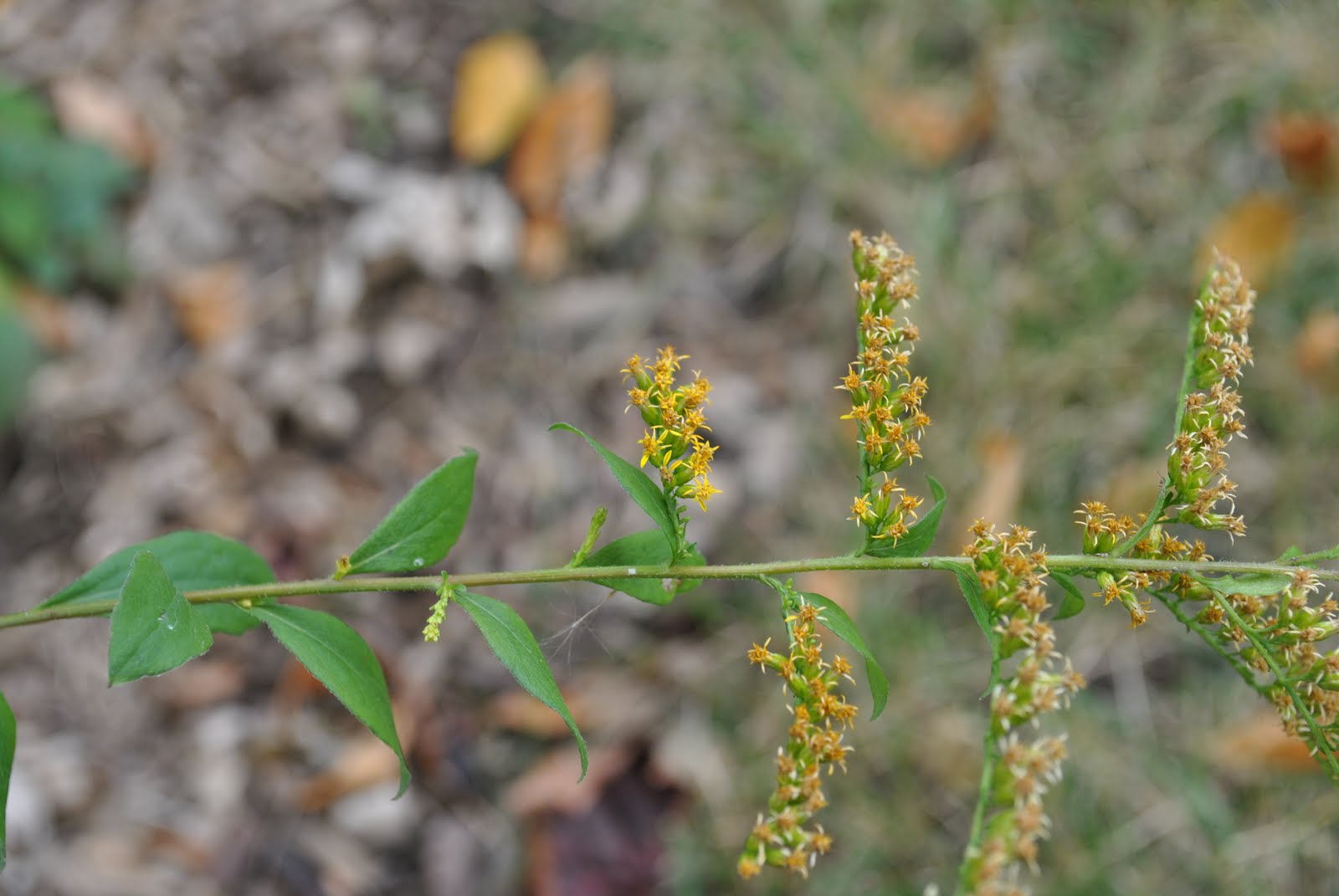
...and elsewhere the 'Tojen' toad lilies are making a valiant stand against the drought conditions that really slowed down their flowering, compared to last year.

These passalongs from Mr. McGregor's Daughter are in possibly the most challenging place in my garden, dry shade under a silver maple, and yet they've been bravely blooming as much as possible for about a month now.

And lastly, the only asters I still have (sort of) blooming are these Short's aster (S. shortii), a fairly rare native of savanna woodlands. I planted these in June and they've bloomed happily all through late summer and fall, and they're a great purple. I'm very happy about this addition!
What's still blooming in your garden?
Monday, October 4, 2010
MVP 2010
The baseball postseason is about to start, and again the White Sox are nowhere to be found (thanks to the Minnesota Twins ripping their hearts out and showing them to them before they died). Despite that disappointment, I realize that this time of the season really shows us who are the elite players, the ones who have those intangible qualities of coming through in the clutch, leadership, and making others around them play better.
What does this have to do with gardening? Well, this is the garden's postseason too. At this point the plants that are still blooming, or whose performances remain in vivid memory, are those that held up through adversity, through challenging conditions all summer, and were the best that the garden had to offer. Now they're facing new foes like light frost conditions and shortened daylight, but the elite plants keep blooming and keep adding interest.
That's why this is the time to choose the season MVP, the Most Valuable Plant.
I'm pleased to say it was a difficult decision, thanks to the exemplary performance by so many members of the team. The nodding wild onions (Allium cernuum),

cardinal flowers (Lobelia cardinalis),

and Joe-Pye Weed (Eupatorium maculatum) were all impressive, despite a drenched start to the summer and then extreme heat and drought conditions later on.

The habaneros and chili peppers were quite possibly the stars of the vegetable garden, and I am still harvesting and storing loads of hot peppers.

And the nectaroscordums earlier this summer were so cool that I ordered 10 more, which should be arriving any day now. At times 2010 felt like the Year of the Onion around here (until my actual vegetable onions set flowers and crapped out in terms of producing anything edible; however, the green onions were fabulous).

The asters have had a standout year, particularly the smooth blue asters (Symphyotrichum laeve), which barely survived last year.

I'd have to give these the "Comeback Player of the Year" award, not quite the MVP.
The elm-leaved goldenrod is without a doubt one of the best additions to my garden in the past few years. Planted only this June, these little goldenrods have settled in and bloomed like crazy since August.

It's now getting close to mid-October and they're barely showing signs of fatigue. It was hard to NOT call them the MVP, but really a more accurate award is Rookie of the Year.

So who was the best of the best? Really there's only one who deserves the title: the 'David' phloxes.

These beauties burst into bloom in midsummer and still (again, it's October) have flowers clinging on, an unprecedented show of strength and longevity, particularly in light of not only this year's drought (which started right around when they began blooming), but also my repeated, extended absences from the garden. Abuse from Mother Nature and neglect from the gardener could not stop them! Granted, there were some flopping issues, but considering the above-mentioned factors and their vigorous blooming in spite of it all, I was not inclined to let that remove them award contention.

Their white flowers added a brightness to the garden that was greater than their size or hue would suggest. And, in true MVP fashion, they made the purple hyssops and pink cosmos around them look even more colorful. Most impressive, in my garden where powdery mildew has decimated too many flowers (and is still doing so to my Monardas), this mildew-resistant cultivar has lived up to the hype.

Congrats, 'David' phloxes! You are the 2010 Most Valuable Plant(s)!
What does this have to do with gardening? Well, this is the garden's postseason too. At this point the plants that are still blooming, or whose performances remain in vivid memory, are those that held up through adversity, through challenging conditions all summer, and were the best that the garden had to offer. Now they're facing new foes like light frost conditions and shortened daylight, but the elite plants keep blooming and keep adding interest.
That's why this is the time to choose the season MVP, the Most Valuable Plant.
I'm pleased to say it was a difficult decision, thanks to the exemplary performance by so many members of the team. The nodding wild onions (Allium cernuum),

cardinal flowers (Lobelia cardinalis),

and Joe-Pye Weed (Eupatorium maculatum) were all impressive, despite a drenched start to the summer and then extreme heat and drought conditions later on.

The habaneros and chili peppers were quite possibly the stars of the vegetable garden, and I am still harvesting and storing loads of hot peppers.

And the nectaroscordums earlier this summer were so cool that I ordered 10 more, which should be arriving any day now. At times 2010 felt like the Year of the Onion around here (until my actual vegetable onions set flowers and crapped out in terms of producing anything edible; however, the green onions were fabulous).

The asters have had a standout year, particularly the smooth blue asters (Symphyotrichum laeve), which barely survived last year.

I'd have to give these the "Comeback Player of the Year" award, not quite the MVP.
The elm-leaved goldenrod is without a doubt one of the best additions to my garden in the past few years. Planted only this June, these little goldenrods have settled in and bloomed like crazy since August.

It's now getting close to mid-October and they're barely showing signs of fatigue. It was hard to NOT call them the MVP, but really a more accurate award is Rookie of the Year.
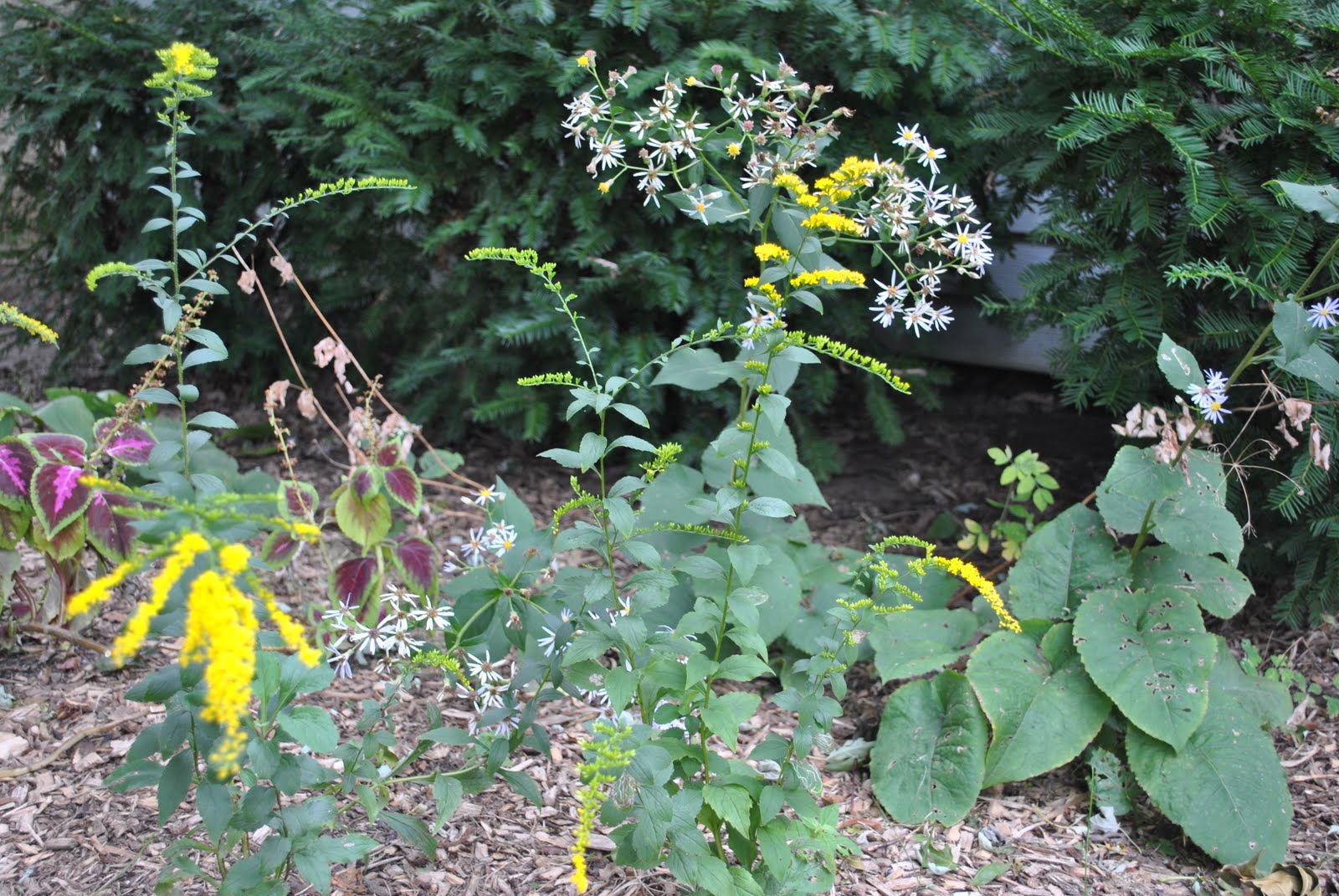
So who was the best of the best? Really there's only one who deserves the title: the 'David' phloxes.

These beauties burst into bloom in midsummer and still (again, it's October) have flowers clinging on, an unprecedented show of strength and longevity, particularly in light of not only this year's drought (which started right around when they began blooming), but also my repeated, extended absences from the garden. Abuse from Mother Nature and neglect from the gardener could not stop them! Granted, there were some flopping issues, but considering the above-mentioned factors and their vigorous blooming in spite of it all, I was not inclined to let that remove them award contention.

Their white flowers added a brightness to the garden that was greater than their size or hue would suggest. And, in true MVP fashion, they made the purple hyssops and pink cosmos around them look even more colorful. Most impressive, in my garden where powdery mildew has decimated too many flowers (and is still doing so to my Monardas), this mildew-resistant cultivar has lived up to the hype.

Congrats, 'David' phloxes! You are the 2010 Most Valuable Plant(s)!
Sunday, September 26, 2010
What's wrong with my squashes? Part II

OK, so I have given up on actually harvesting any squashes this year, but what is going on here?? I have pulled out all but one of the squash vines because they all looked very similar to this one.

The leaves look almost like there's powdery mildew or some other kind of fungus on them, and they've yellowed and withered. This is (I believe) Trombetta D'Albenga, but all the other varieties suffered the same fate. This vine has stayed around this long because it actually began producing squash, but before they suddenly rotted before maturing.

So my question is, is this an infestation like vine borer or some other bug? I haven't seen any bugs crawling around but with all my traveling this summer I definitely could have missed some evidence. Or, is this a disease of some kind that will restrict my squash growing for the next few years?
If you have any idea of the identity and whereabouts of this criminal, please leave your information in a comment! And if this is a disease, should I not grow squashes/cucumbers for three years? Help!!
Tuesday, September 21, 2010
Wildflower Wednesday--The Usual Suspects

At this point in the season, the prairie plants native to my corner of Illinois are in various stages of setting seed. Grasses like big and little bluestem and prairie dropseed are in their full glory (and I'm sorry I don't have my little bluestem and prairie dropseed pictured here; I blame the massive storms that hit late yesterday and interrupted my blog photography).
The inflorescences--grasses' version of flowers--are at their peak. Coneflowers, Joe-Pye weed and coreopsis have finished (or are almost finished) flowering. The prairie is in the later stages of its zenith and is full of textures.
The wildflowers that are still in bloom here are the usual suspects for this region: goldenrods and asters. My elm-leaved goldenrods are short, but they're blooming so brightly you can see them from the street. (These pictures were not taken at night, just in the gloom before an impending storm.)

The zig-zag goldenrod is already showing spent flowers and hints of seeds...

...much like the big-leaved aster, which bloomed a lot longer this year than last year.

And my smooth blue asters have made a remarkable comeback this year after some mildew issues last year.

They are a beautiful send-off to a hot, droughty, occasionally soggy, and very vibrant summer!
Wildflower Wednesday is brought to you by Gail of Clay and Limestone--go visit to see more beautiful native plants!
Tuesday, September 14, 2010
Bloom Day, Finally!
For the first time since June I am in the garden for Bloom Day! And I'm quite happy about it because there are still a notable number of blooms to be seen. Maybe the cooler temperatures are prolonging some flowers that might have wilted in the continual heat.

The Bon Bon Cosmos from Renee's Garden are looking the best they have all season! Where have these robust blooms been? Maybe the site conditions aren't the greatest for these flowers, but this is a classic case of better late than never.

The 'David' phlox is still going strong although I can feel that the end may be near. It's been quite a show from these flowers this year. I'm a little irritated by the fact that they both have flopped all summer, but the flowers have been gorgeous even from their lowered level! And with the heat and dryness followed by intermittent torrential downpours, it's kind of hard to blame the stems for suffering a little. Considering the challenging conditions this year, we may have a candidate for Most Valuable Plant here.
The elm-leaved goldenrod (Solidago ulmifolia) is turning out even better than I had hoped!

I love how its flowers trail off the plant like a comet's tail, and the yellow perfectly complements the yellow centers of the big-leaved asters (Eurybia macrophylla) behind them.

And speaking of goldenrods, the zig-zag goldenrod (S. flexicaulis) is in its full glory...

...with the great blue lobelia finishing up...

...and speaking of asters, the smooth blue asters (Symphyotrichum laeve) have exploded within the past couple days!

They're looking much better than last year, probably due to the sunny, dry conditions. And they've flowered early enough to catch the tall coreopsis (C. tripteris) still in bloom!

This timing doesn't happen every year and I love when it does! It's nice to have the yellow and blue combo repeated a couple times in this border.
My containers were suffering from my absence, so I replaced the wilted petunias, calibrachoa and celosia with simple pansies. Here's how the petunia replacement looks now:

What's notable is that the other fillers in these containers (second one not pictured) haven't missed a beat, and now they're looking as nice as ever!
Also blooming but not pictured: Tricyrtis 'Tojen'; squash flowers, the random unnamed rose and a couple fading coneflowers. For more Bloom Day posts, see Carol at May Dreams Garden!

The Bon Bon Cosmos from Renee's Garden are looking the best they have all season! Where have these robust blooms been? Maybe the site conditions aren't the greatest for these flowers, but this is a classic case of better late than never.

The 'David' phlox is still going strong although I can feel that the end may be near. It's been quite a show from these flowers this year. I'm a little irritated by the fact that they both have flopped all summer, but the flowers have been gorgeous even from their lowered level! And with the heat and dryness followed by intermittent torrential downpours, it's kind of hard to blame the stems for suffering a little. Considering the challenging conditions this year, we may have a candidate for Most Valuable Plant here.
The elm-leaved goldenrod (Solidago ulmifolia) is turning out even better than I had hoped!

I love how its flowers trail off the plant like a comet's tail, and the yellow perfectly complements the yellow centers of the big-leaved asters (Eurybia macrophylla) behind them.

And speaking of goldenrods, the zig-zag goldenrod (S. flexicaulis) is in its full glory...

...with the great blue lobelia finishing up...

...and speaking of asters, the smooth blue asters (Symphyotrichum laeve) have exploded within the past couple days!

They're looking much better than last year, probably due to the sunny, dry conditions. And they've flowered early enough to catch the tall coreopsis (C. tripteris) still in bloom!

This timing doesn't happen every year and I love when it does! It's nice to have the yellow and blue combo repeated a couple times in this border.
My containers were suffering from my absence, so I replaced the wilted petunias, calibrachoa and celosia with simple pansies. Here's how the petunia replacement looks now:

What's notable is that the other fillers in these containers (second one not pictured) haven't missed a beat, and now they're looking as nice as ever!
Also blooming but not pictured: Tricyrtis 'Tojen'; squash flowers, the random unnamed rose and a couple fading coneflowers. For more Bloom Day posts, see Carol at May Dreams Garden!
Sunday, September 12, 2010
An Open Letter to Monarda

OK, Monarda fistulosa or wild bergamot, or whatever you like to call yourself, it's time for us to reach an understanding. You have one more year. That's right, one more year in which I promise to give you the attention and powdery mildew prevention you deserve, and in return you will give me blooms. Or else you're gone.

That goes for you too, new seedling from One Seed Chicago, which has grown so vigorously and unexpectedly well. Your effort has not gone unnoticed. Nor has the creeping whiteness on your leaves, which doesn't look quite like powdery mildew but might be something else, maybe even something more pernicious.

I'm just sick of it. I'm sick of the flopping, the engulfing mildew, and yet I admit that I myself am partly to blame. When I sprayed you regularly and repeatedly with a milk/water mixture, the progress of the mildew was stopped. But I didn't stay as vigilant as I should have, and for that I'm sorry. Many, many sojourns away from the garden this summer put you farther down the list of priorities, and once I knew that you would withhold your blooms again this year I lost my remaining motivation to keep up with the spraying.
So let's start fresh. Next spring, I will dutifully and regularly spray you with the milk mixture, and in return you will have flowers. Even little ones. It's only fair; it will officially be the "leap" year for your growth (of course not the actual leap year of having a February 29th, but your third year in the garden, having passed the "sleep" and "creep" years). What do you say? Wouldn't it be better to stay amongst the goldenrods and asters and even the irises nearby, as opposed to an ignominious end in the garbage? (Because of course you can't be composted with all that powdery mildew!)
So it's a deal. One more year, with mutual attention paid. In honor of this, my 100th post, it just seems fair.
Subscribe to:
Posts (Atom)
You May Also Like
